

Most of the stains I get called about were beatable for the first few minutes and then quietly became permanent. A glass of red wine on a light sofa, a pet accident on a wool rug, a coffee ring on an oak floor: the outcome is decided by what you do in the first minute, not by the cleaner you buy three days later. After running crews across New York homes since 2016, I can tell you that prevention beats removal on cost, time, and how long your furniture lasts.
So this is a prevention playbook, not another guide to scrubbing out set-in stains. I have organized it by surface, because a mattress and a hardwood floor fail in opposite ways and reward opposite habits. At the end I cover the 60-second spill response and the point where prevention has already failed and a professional is the cheaper option.

First, the one rule that beats every product
Blot, do not rub. Rubbing pushes liquid deeper into the fibers and spreads the edge of the stain wider. Press a clean white cloth or paper towel straight down, lift, and repeat with a dry section until almost nothing transfers. White matters because a dyed cloth can bleed its own color into wet fabric. This single habit prevents more permanent stains than any spray on the shelf.
Upholstery: the surface that punishes waiting
Sofas and armchairs soak up liquid on contact, and the padding underneath holds it long after the surface feels dry. That trapped moisture is what turns a spill into an odor two weeks later.
- Check the tag before you ever buy a cleaning product. A “W” means water-based cleaners are safe, “S” means solvent only, “WS” means either, and “X” means vacuum only. Using water on an “S” fabric leaves rings that are harder to remove than the original spill.
- Vacuum the cushions and crevices weekly with an upholstery attachment. Grit is abrasive, and dust that settles into fibers is what greys out a light-colored sofa over a year.
- Keep throws on the seats people actually use, and wash them, not the sofa. A washable layer takes the daily abuse so the upholstery does not.
- Rotate and flip reversible cushions monthly so wear and any faint discoloration spread evenly instead of mapping one person’s spot.
If your sofa already smells faintly musty when you press it, moisture is sitting in the foam and home sprays will only mask it. Our furniture cleaning service uses hot-water extraction to pull that moisture back out.
Mattresses: prevention you cannot see
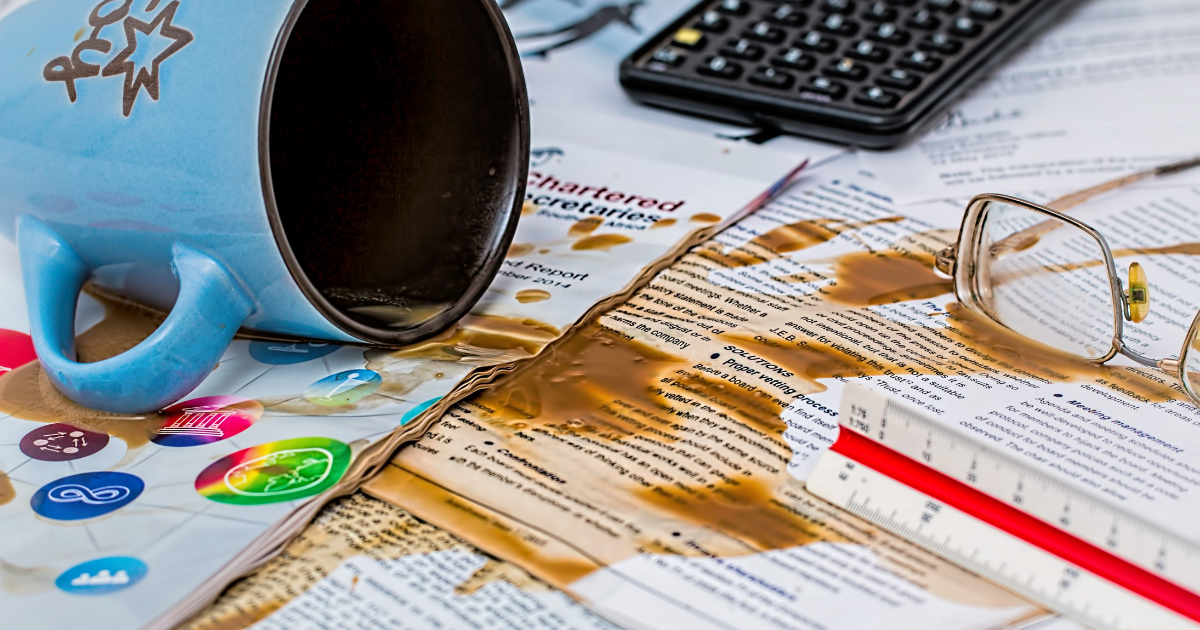
A mattress collects sweat, skin, and humidity every night, and none of it shows until an odor or a yellow halo appears. By then it has soaked through the top layer.
- Use a washable, zippered mattress protector and wash it every two to three weeks with your sheets. This is the highest-return habit on the whole list, because it stops the liquid before it reaches the material you cannot launder.
- Air the bed for ten minutes before you make it. Pulling the covers back lets overnight moisture evaporate instead of sealing it in.
- Rotate the mattress head to foot every three months so body impressions and any staining do not concentrate in one zone.
- For a fresh accident, blot up everything you can, then sprinkle baking soda over the damp area, let it sit for a few hours, and vacuum it off. It absorbs remaining moisture and dulls the odor while the area dries.
Once a stain has soaked past the surface, a mattress cannot be laundered like a sheet, and the deposit keeps feeding odor. That is the case for a mattress cleaning service rather than another round of spray.
Carpet and rugs: catch it at the edge
Wall-to-wall carpet and area rugs share one weakness: liquid spreads outward and downward into the backing, so the visible spot is smaller than the real one.
- Put washable mats at every entrance. Most of what stains a carpet is tracked in on shoes, and a mat stops it at the door.
- Vacuum high-traffic lanes twice a week and the rest weekly. Ground-in grit cuts the fibers and creates the dull, worn paths that read as dirt even after cleaning.
- For a spill, work from the outside of the wet area toward the center so you do not spread the edge wider, then blot straight down.
- Never let a pet accident dry on its own. The moisture wicks into the pad below, and that hidden layer is where the smell keeps coming back from.
Wool and other natural-fiber rugs are the ones I would not experiment on at home, since the wrong product can set the dye or shrink the weave. Our carpet and rug cleaning runs on-site or as pickup and delivery, so a good rug does not have to take a risky DIY treatment.

Hard floors: the fast wins and the slow damage
Hardwood, tile, and vinyl look forgiving because spills sit on top, but standing liquid is exactly what dulls a finish and lifts a plank seam over time.
- Wipe spills as they happen, especially on wood, where water left to sit swells the grain and leaves a permanent cloudy mark.
- Use felt pads under chair and table legs. The thin scratches that collect grime and darken over months come from furniture, not feet.
- Damp-mop, do not soak. A dripping mop drives water into grout lines and board seams, which is where discoloration and odor start on a floor.
- Sweep grit daily in the kitchen and entry. On a hard floor, grit is sandpaper underfoot and wears the finish thin in the paths you walk most.
The first 60 seconds of any spill
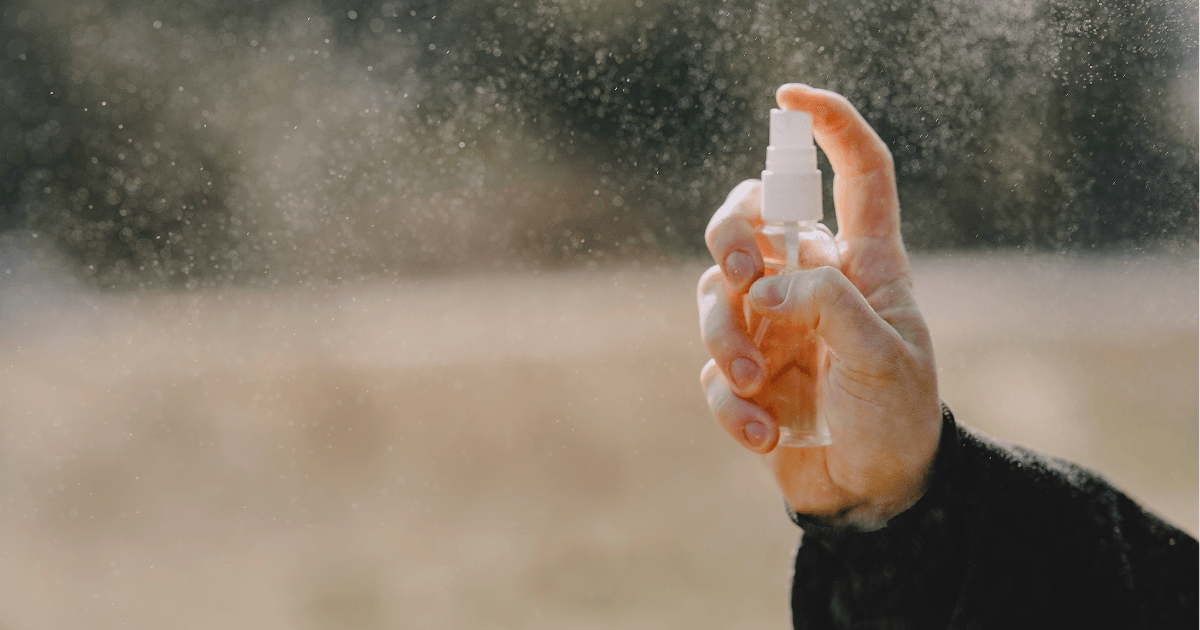
Speed matters more than technique. When something goes down, in order:
- Lift any solids off with a spoon or a dull edge before they get pressed in.
- Blot the liquid straight down with a dry white cloth until little transfers.
- If the surface tag allows water, lightly dampen a fresh cloth and blot again from the outside in.
- Let it air-dry fully, then check. Trapped moisture is what turns a handled spill into next month’s odor.
Skip the impulse to dump cleaner on it. A wet spot with the right blotting almost always beats a soaked spot with the wrong product.
When prevention has failed, and it is time for a pro
Some stains are past home treatment, and pushing harder makes them worse. Call a professional when:
- A stain has already dried and set, or keeps returning after it dries, which means the deposit is below the surface.
- The odor comes back a day or two after you clean, a sign moisture is trapped in padding, a mattress core, or the pad under a carpet.
- The item is wool, silk, or another material where a wrong product sets the dye or shrinks the fibers.
- A spill covers a large area or reaches the backing, so surface blotting cannot reach it.
Every Eco Cleaning job finishes against a 50-point checklist with photo documentation, and our work is backed by a 100% Satisfaction Guarantee: flag anything within 24 hours and we return to re-clean the spot within 48. If a stain or smell has outlasted your own efforts, our stain and odor removal service is built to reach what home methods cannot. Or call the team at (929) 531-6264.
Prevention is boring and it works. Protect the soft surfaces, respond to spills in the first minute, and you will spend far less time and money undoing damage that never had to set.
By Alex Sonier, CEO & Head Trainer, Eco Cleaning NYC


