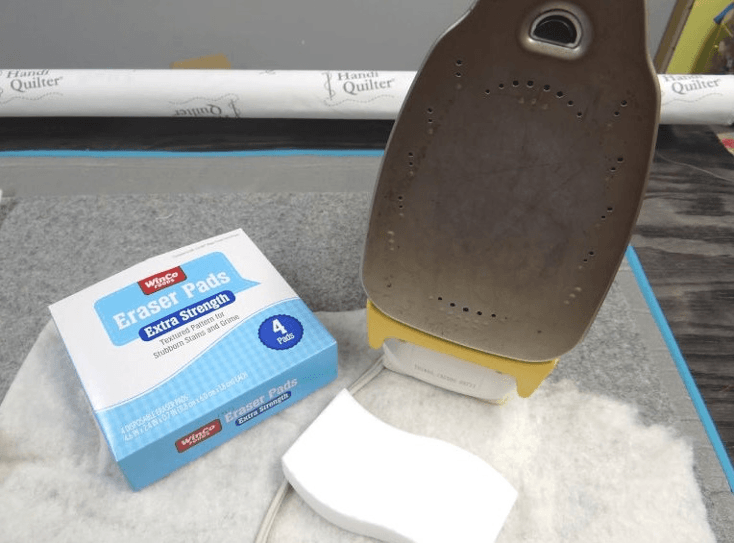
How to Clean an Iron, Diagnosed by the Problem You’re Having
November 12, 2020
Home » Blog » How to Clean an Iron, Diagnosed by the Problem You’re Having
Alex Sonier
Alex Sonier is the CEO and head trainer of Eco Cleaning NYC, with 15 years in the cleaning industry. He has run the company since 2016, and he still sets its standards hands-on. He writes the training, runs technicians through the 50-point quality check, and decides how each material gets handled, from upholstery care codes to leather, mattresses, rugs, and wall-to-wall carpet.
His approach starts with the material. A couch gets cleaned by its fabric code, leather is hand-cleaned and conditioned rather than steamed, and a wool rug never sees the heat that suits synthetic carpet. The team works with plant-based products and backs every job with a 100% Satisfaction Guarantee.
Under his lead, Eco Cleaning has cleaned more than 20,500 properties across Manhattan, Brooklyn, Queens, the Bronx, and Staten Island.
An iron rarely fails all at once. It drags on cotton one week, then sputters a rusty droplet onto a white shirt the next. Each of those is a different fault with a different fix, and the wrong fix makes some of them worse. A steel scrubbing pad clears a scorched stainless soleplate but ruins a nonstick one for good.
This guide sorts the job by symptom. Find the problem you actually have, match it to the soleplate you actually own, and skip the rest. Everything here uses a cold iron unless the step says otherwise, because most soleplate damage happens when people scrub a hot plate in a hurry.
First, identify your soleplate
The method depends on the surface more than the stain. Check the box, the manual, or the plate itself.
Stainless steel looks like bright polished metal and takes mild abrasives.
Nonstick has a dark matte or slightly textured coating. Abrasives strip it, so paste and soft cloth only.
Ceramic or ceramic-coated feels smooth and often has a pale enamel look. Treat it like nonstick: gentle products, no scouring.
When in doubt, assume the gentler category. You can always escalate to a stronger method, but you cannot un-scratch a coating.
Problem 1: Sticky or scorched soleplate
Stickiness usually means melted fabric fibers, spray starch buildup, or a bit of synthetic that touched a hot plate. Scorching shows as brown streaks that transfer onto light clothes.
For nonstick and ceramic plates. Mix two tablespoons of baking soda with one tablespoon of water into a loose paste. Spread it on the cool plate with a soft cloth, work it in small circles, and let it sit two to three minutes. Wipe clean with a damp cloth, then dry. Keep the paste off the steam vents; a cotton swab clears any that slips in. Baking soda is a mild abrasive, so it lifts residue without cutting the coating.
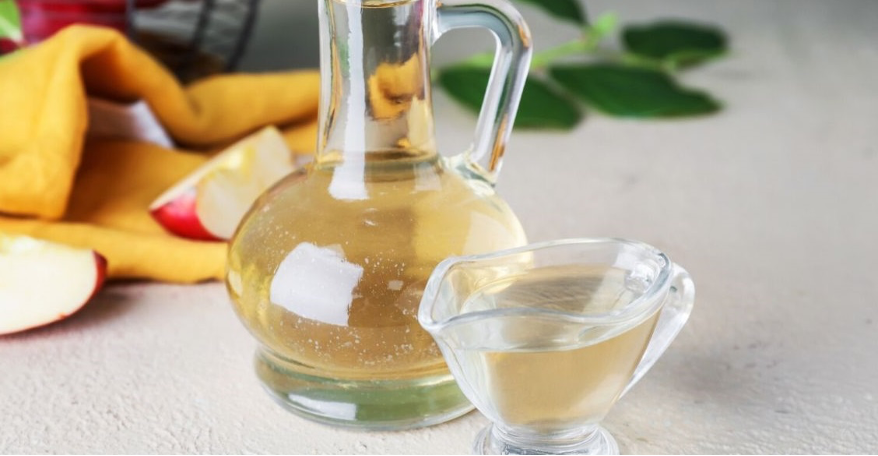
For stainless steel. The baking soda paste works here too, and you have a second option for stubborn scorch. Warm the iron to low, unplug it, then rub a folded microfiber cloth dampened with white vinegar across the plate. The warmth loosens the burnt film; the vinegar dissolves it. For a hardened spot, lay the cool iron face-down on a vinegar-soaked towel for fifteen minutes, then wipe.
Melted plastic is its own emergency. If plastic bonds to the plate, do not scrape it hot. Let the iron cool until the plastic hardens, then chill it further by resting the plate over a bowl of ice for a minute. Hard, brittle plastic peels off with a wooden or plastic scraper. Finish with a vinegar wipe. Skip metal knives and blades on any soleplate; a single scratch snags fabric on every future press.
Problem 2: Clogged steam vents
Weak steam, uneven spray, or vents that hiss but push little moisture point to mineral scale inside the holes. Tap water leaves calcium and magnesium behind every time the iron heats.
Clear the holes from the outside first. Dip a cotton swab in white vinegar and run it around each vent. For deposits packed inside the opening, a wooden toothpick lifts the crust without widening the hole; a metal pin can enlarge it and change how the iron sprays.
If the vents still spit or clog after surface cleaning, the scale sits deeper in the water channels, which is a reservoir job. That is the next section.
Problem 3: Brown spitting water and reservoir scale
Brown or rusty droplets are the most common complaint we hear from clients about their home irons, and it is almost always internal mineral buildup rather than a broken iron. Descaling the reservoir fixes it.
Vinegar descale, the standard method. Fill the reservoir with one part white vinegar to three parts distilled water. Set the iron to steam, stand it upright on a heat-safe surface, and let it heat fully. Press the steam burst button several times over an old towel or a sink so the solution runs through the internal channels and out the vents. You will often see brown flecks come out. Empty any leftover solution while the iron is warm.
Rinse, every time. Refill with plain distilled water and steam it through completely to flush the vinegar. Leaving acid inside can corrode seals over months. Wipe the vents with a clean cloth once the plate cools.
Check the manual before you pour anything in. Some manufacturers void the warranty if you run vinegar through the tank, and a few models include a self-clean or anti-calc cycle built for exactly this. If yours has one, use it. If the manual bans vinegar, descale with distilled water and the self-clean function instead.
Then switch your water. Descaling treats the symptom. Distilled or demineralized water prevents it, because there is no mineral load to leave behind. In hard-water parts of New York, this one change spaces out cleanings by months. Straight tap water is the reason most irons brown in the first place.
Problem 4: General dullness and residue
A plate that looks cloudy but presses fine needs a light touch, not a deep clean. A cool baking soda paste and a soft cloth restore the shine on any soleplate type. For light film on nonstick or ceramic, warm the iron low, unplug it, and pass it over a clean folded towel a few times to lift loose residue. Wipe and let it dry fully before the next use.
What to keep out of the routine
A few popular tricks cause more harm than good on a modern iron:
Steel wool and heavy scouring pads belong on cast iron cookware, not iron soleplates. They scratch stainless and destroy coatings.
Salt-on-newspaper and acetone nail polish remover can lift surface grime, but both are abrasive or solvent-heavy enough to dull a coated plate. Save them for a stainless plate you have already given up on, if at all.
Anything sharp, from a butter knife to a metal pick, leaves grooves that catch thread.
A simple maintenance rhythm
Empty the reservoir after each session so standing water cannot build scale. Wipe the cool plate when you notice drag rather than waiting for streaks on a shirt. Descale every one to three months depending on how hard your water is, or run distilled water and skip most descaling. Store the iron upright, plate exposed to air, so nothing traps moisture against the vents.
Match the method to the problem and the soleplate, and a good iron lasts years without a single scratch.
When it is bigger than an iron
Scorch marks and stubborn stains do not stop at the ironing board. If a burn transferred to a garment, or a spill soaked into upholstery, carpet, or a mattress, those need a different approach than a household paste. Eco Cleaning NYC handles that kind of work across the city with a team trained on furniture, carpets, and steam equipment, backed by a 50-point post-cleaning check and a 100% satisfaction guarantee. See our full range of professional cleaning services when a home fix is not enough.
Questions about a specific stain? Call us at (929) 531-6264.
By Alex Sonier, CEO & Head Trainer, Eco Cleaning NYC.