

Most office cleaning proposals read the same on the surface. “Daily janitorial, weekly detail, monthly deep clean.” Sign here. Six months later the facility manager is fielding complaints about the restroom on the third floor and cannot point to the line in the contract that was supposed to cover it. The problem was never the crew. The scope was vague, and vague scopes fail in predictable places.
If you buy cleaning for an office, whether you run a 4,000 square foot suite in Midtown or a full floor in the Bronx, you are buying a scope of work, not a vibe. This guide breaks down what a real scope contains, how those tasks split across daily, weekly, and periodic cycles, how the mix shifts by office type, and the questions that separate a serious provider from one that will quietly cut corners once the ink dries.
Daily, weekly, periodic: the three cycles that make up a scope
Cleaning tasks fall into three frequencies, and the reason your building looks fine some weeks and grimy others usually traces back to which cycle a task landed in.
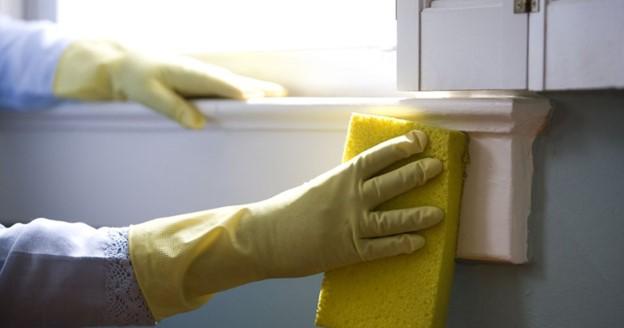
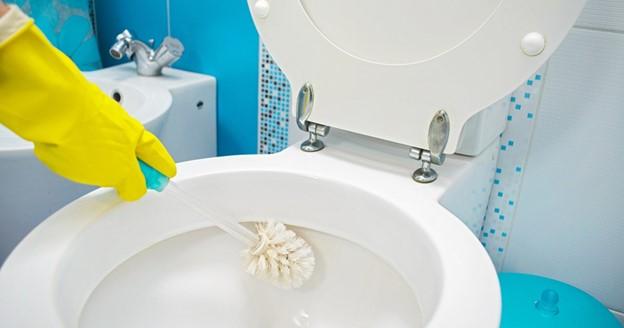
Daily tasks are the ones tenants notice within hours if they lapse. Emptying trash and recycling and replacing liners. Vacuuming carpets and entry mats. Mopping hard floors in high-traffic lanes. Wiping horizontal surfaces in shared areas. Restocking and cleaning restrooms, sinks, mirrors, dispensers, and fixtures. Spot-cleaning the break room, counters, sinks, tabletops, and the fronts of appliances. Wiping glass on entry doors and reception. These are the visible-surface tasks, and a daily scope that skips any of them is a scope with a gap.
Weekly tasks are the ones that keep the building from sliding without demanding a nightly crew. Detail dusting of vents, sills, ledges, and the tops of partitions. Damp-wiping baseboards and door frames. Cleaning interior glass and partition walls. High and low dusting in areas the daily pass does not reach. Machine-scrubbing or edging on hard floors. In break rooms, wiping the inside and outside of refrigerators and microwaves rather than just the fronts.
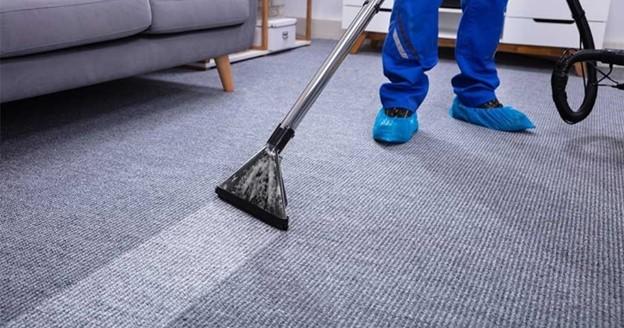
Periodic (deep) tasks run on a monthly, quarterly, or seasonal cycle and are where the real money and the real disagreements live. Carpet extraction and area-rug cleaning. Hard-floor stripping, refinishing, and burnishing. Upholstery cleaning on lobby and conference furniture. High-dusting of overhead fixtures and ductwork exteriors. Interior and exterior window cleaning where the provider offers it. Grout and tile detail in restrooms and kitchens. A scope that names these tasks and pins a frequency to each is a scope you can hold someone to. A scope that says “periodic deep cleaning as needed” is a scope that will never happen, because “as needed” has no owner.
How the mix shifts by office type
The same three cycles apply everywhere, but the weighting changes with how the space gets used.
A professional-services office, law, finance, agencies, leans on daily surface work and reception polish. Clients walk through the lobby, so entry glass, floors, and the front desk carry weight, and conference rooms need a reliable reset between meetings. The periodic load is lighter, mostly carpet and upholstery once the traffic shows.
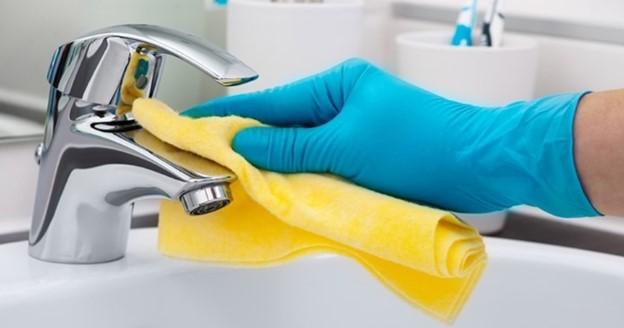
A tech or open-plan office trades private offices for shared desks, huddle rooms, and a break room that runs like a small cafe. Break-room sanitation moves up the priority list, touchpoint wiping on shared surfaces matters more, and carpet in high-density zones wears faster, so extraction cycles come sooner.
A medical or dental front office, the administrative side, not clinical spaces, raises the bar on restroom detail, floor sanitation, and documented consistency. These buyers should scope task-level detail and expect a provider that tracks completion rather than relying on a crew’s memory.
A retail or showroom-adjacent office puts glass, entry floors, and lighting-fixture dusting front and center, because the space doubles as a first impression. Periodic floor care runs more often here than anywhere else.
Before you request proposals, write down which of these you are. Handing three providers the same generic RFP and comparing their prices tells you nothing if none of them scoped for how your space actually gets used.
How to read a scope of work and compare providers
Once proposals land, judge them on structure, not on which one used the nicest adjectives.
Check that every task has a frequency. A credible scope reads like a schedule: task, area, frequency. If tasks are grouped under a heading with no cadence, ask for the cadence in writing before you compare prices. Two bids can differ by 30 percent purely because one included quarterly carpet extraction and the other assumed you would pay for it separately.
Ask how completion gets verified. The gap between a scope on paper and the work in your building is quality control. Ask each provider what happens after the crew leaves. Do they run a post-clean inspection against a checklist? Do they photograph completed work? Is there a follow-up after the first service to catch problems early? A provider that cannot answer is asking you to trust the crew’s word every night. At Eco Cleaning NYC, our teams close out each job against a 50-point checklist and document the work with photos, and a manager follows up after the service, so the scope you signed and the work in your suite match.
Ask what happens when something is missed. Every crew misses something eventually. What matters is the remedy. A serious provider gives you a window to flag issues and commits to correcting them fast at no charge. Our own guarantee gives clients 24 hours to raise anything they are not happy with and a free re-clean of the affected areas within 48 hours, with a refund option if a re-clean still does not resolve it. Whatever the provider, get the response window and the re-clean commitment in the contract, not in the sales call.
Ask how the crew knows what to do each night. Consistency lives or dies on whether the crew works from a documented, job-specific task list or from habit. Our crews follow a per-job checklist built for your site and scheduled through Jobber and Google Calendar, so the same tasks get done whether the usual lead is in or not. Ask any provider how they hand off a site when a regular team member is out.
Vet the boring trust items yourself. Ask each provider to show their insurance coverage, licensing, and any damage policy directly, and confirm the certificates rather than taking a line on a website at face value. A provider that carries a written damage-compensation process, ours resolves claims within one to three business days, is telling you they expect to stand behind the work.
The scope is the product
A cleaning contract is not a promise to “keep the office clean.” It is a list of tasks, assigned to cycles, verified by a method, and backed by a remedy when it slips. Buyers who treat it that way get buildings that stay clean. Buyers who sign the vague version get surprises.
Eco Cleaning NYC has cleaned commercial and residential spaces across New York City since 2016, and our founder Alex Sonier still trains the crews on the standards behind every scope we sign. If you want a scope built around how your office actually runs, see our NYC office cleaning services or call (929) 531-6264 to talk it through.
By Alex Sonier, CEO & Head Trainer, Eco Cleaning NYC